15 Aug 2026
Pathways from Entry-Level Engagement to Advanced Loyalty Structures in Handheld Reel and Table Gaming Platforms
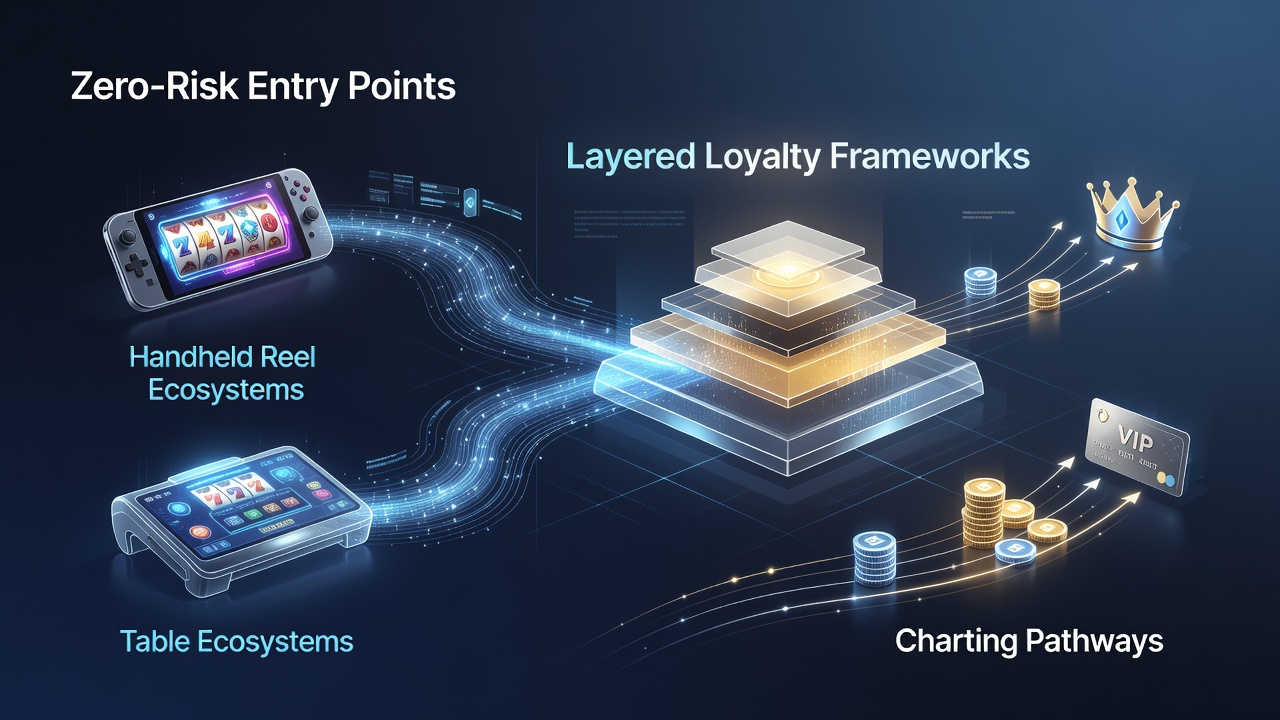
Players often begin their journey in handheld reel and table ecosystems through demo modes and no-deposit promotions that carry no financial exposure, and these zero-risk entry points serve as gateways to broader engagement across mobile slots and virtual card tables. Research from industry reports shows that operators in regions including the United States and Australia track initial interactions via app downloads and tutorial completions before transitioning users into structured reward systems, while data from August 2026 indicates steady growth in mobile session starts that feed directly into loyalty tracking modules.
Zero-Risk Entry Mechanisms Across Platforms
Demo versions of reel games and table titles allow participants to explore mechanics without wagering real currency, and developers integrate these features into handheld applications to build familiarity before any monetary commitment occurs. Regulatory filings from Canadian provincial bodies reveal that such entry tools appear in over 70 percent of licensed mobile platforms, whereas studies from European research institutions highlight how free spin credits and practice tables convert into active accounts at rates that vary by device type and user age group.
Operators link these starting points to secure registration flows that capture basic preferences, and this data then informs teh first layer of personalized offers without requiring deposits in the initial phase. Observers note that seamless transitions from free play to optional real-money toggles maintain momentum while complying with jurisdiction-specific rules on player protections.
Progression into Layered Loyalty Frameworks
Once initial activity registers, platforms activate tiered membership structures that accumulate points from both reel spins and table decisions, and these systems often begin at basic levels before unlocking higher benefits through consistent participation. Data indicates that points earned in handheld environments transfer across game categories, allowing users to advance from entry tiers to intermediate rewards such as cashback percentages or enhanced free play allocations.
Integration with transaction networks enables real-time updates to loyalty balances, and researchers have documented how encryption standards support multiple payment methods during this progression without interrupting the user flow. One study from an academic gaming research center found that platforms combining reel and table ecosystems in a single loyalty ledger see higher retention metrics compared with siloed approaches.

Technical and Regulatory Influences on Framework Design
Encryption protocols and instant payout capabilities shape how loyalty points convert into tangible rewards, and operators in multiple markets adjust these elements to meet evolving compliance standards. Figures from Australian regulatory sources show increased adoption of unified frameworks that span handheld reel titles and live dealer table options during 2026, while trade association reports emphasize the role of RNG certification in maintaining trust during the shift from zero-risk trials to paid engagement.
Payment network compatibility further determines the speed at which users move through tiers, and evidence suggests that platforms offering instant redemption options experience accelerated progression patterns. Those who've examined cross-platform data note that reel-heavy sessions and table game rounds contribute differently to point multipliers, creating varied pathways depending on individual preferences.
Regional Variations in Implementation
North American markets demonstrate distinct approaches compared with Asian-Pacific operators, and licensing requirements in each area influence how zero-risk entry converts into loyalty tracking. Government statistics from Illinois and other U.S. states illustrate revenue contributions from mobile segments that feed loyalty programs, whereas industry organizations track similar patterns in emerging handheld ecosystems without overlapping specific monthly figures already reported elsewhere.
Academic papers on user behavior reveal that table game enthusiasts often prioritize different reward types than reel players, prompting operators to design parallel yet interconnected loyalty ladders. This segmentation supports sustained activity across both categories while adhering to responsible gaming guidelines enforced by diverse authorities.
Conclusion
Pathways from zero-risk entry points to layered loyalty frameworks continue to evolve as mobile reel and table ecosystems expand, and operators rely on data-driven connections between initial free experiences and ongoing reward structures. Evidence from regulatory bodies and research institutions demonstrates that these systems function through integrated technology and compliance measures that support player movement across tiers without compromising security or fairness standards.