27 Jul 2026
How Visual Theme Adaptations in Digital Fruit Machine Interfaces Reflect Local Cultural Preferences in Various Markets
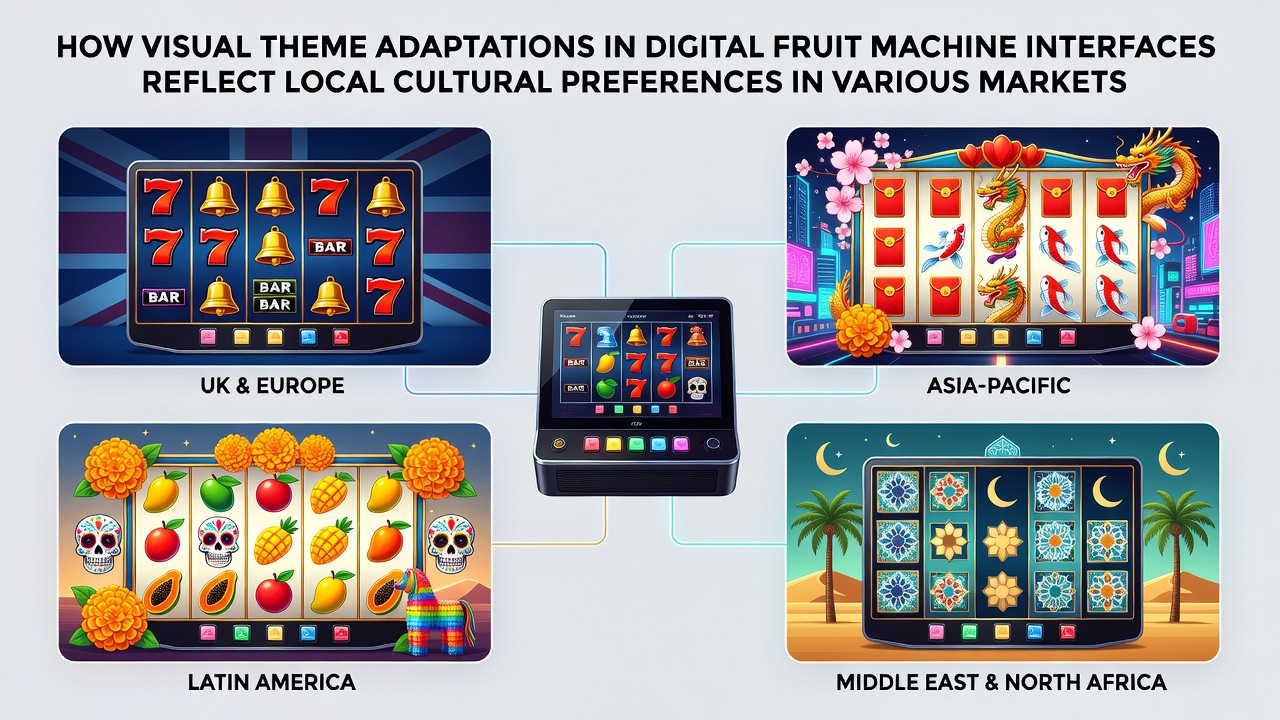 Digital fruit machine interfaces have evolved beyond basic reel mechanics to incorporate visual elements drawn directly from regional traditions, symbols, and aesthetics that resonate with specific player groups. Developers adjust color palettes, iconography, and background art to align with local expectations while maintaining core gameplay structures that operate across platforms. In markets such as Japan, interfaces frequently feature cherry blossoms alongside animated characters inspired by anime styles, and these choices appear in titles released during 2026 updates that target mobile users in urban centers. Observers note that Chinese platforms integrate red and gold tones with dragon motifs and lanterns because data collected by regional operators shows higher engagement when these elements appear on loading screens and bonus rounds. The same machines deployed in European markets replace those motifs with medieval architecture or Norse runes, and operators report that such swaps occur after consultation with local design teams who review player retention metrics segmented by country.
Regional Symbol Integration Patterns
Analysts tracking interface changes across Asia Pacific markets have documented consistent use of auspicious numbers and animal zodiac references in digital reels, while North American versions emphasize neon lights and celebrity tie-ins that reference sports or entertainment franchises. Australian operators, working within guidelines from the Australian Communications and Media Authority, favor outback landscapes and indigenous-inspired patterns in select titles released mid-2026. These adaptations emerge after testing cycles that measure click-through rates on themed buttons and symbol combinations.
European studios often draw from classical mythology or Renaissance art for background layers, and companies operating in multiple jurisdictions maintain separate asset libraries that activate based on detected user location. Data compiled by the Malta Gaming Authority indicates that players in Southern Europe interact longer with interfaces containing olive branches and amphora symbols compared with generic fruit sets. Meanwhile, Canadian markets see increased incorporation of winter sports imagery and maple leaf accents in machines distributed through provincial networks.
Technical Implementation Across Platforms
Engineers embed modular graphic packs that swap automatically when servers detect IP addresses or language settings, and this process allows one codebase to serve culturally distinct versions without separate deployments. Animation loops adjust frame rates and particle effects to match preferences observed in user studies conducted in each territory. For instance, interfaces in Middle Eastern markets use abstract geometric patterns and avoid figurative representations, while Southeast Asian releases incorporate tropical flora and festival elements tied to local calendars.
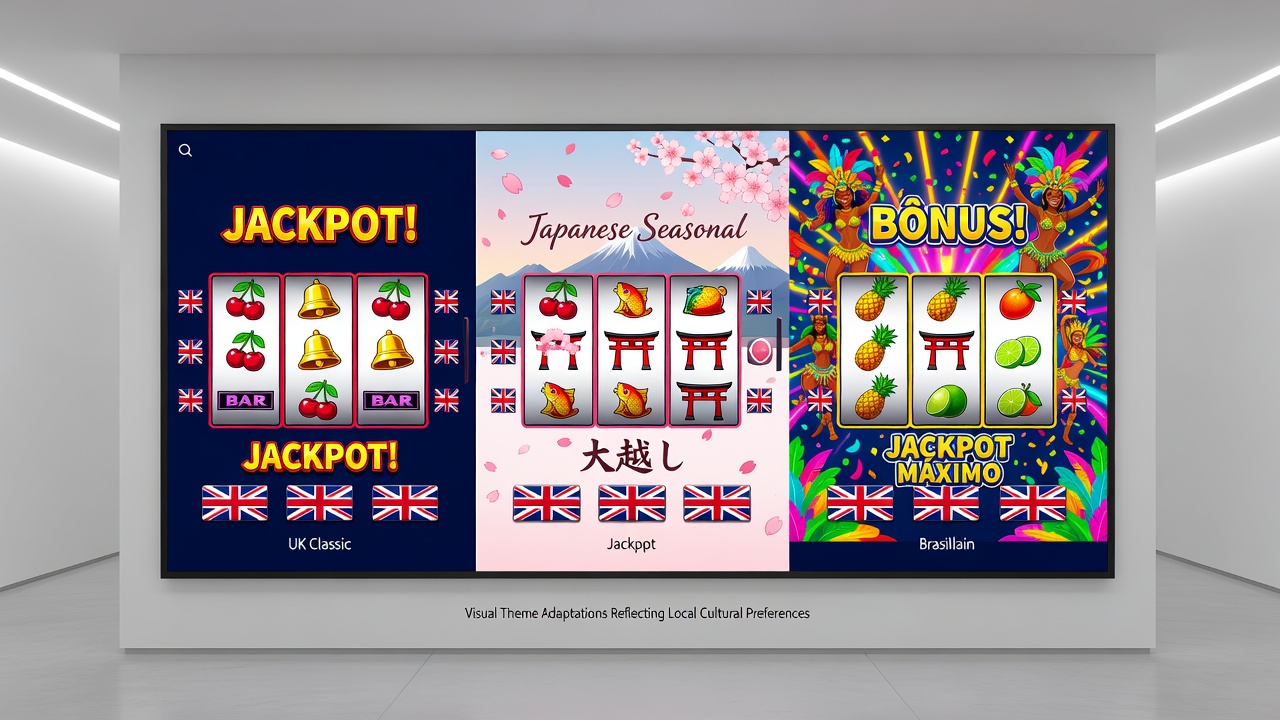
July 2026 saw several providers release updated toolkits that include AI-assisted color matching based on historical art references from target regions. These tools scan public domain archives from national museums and generate palette suggestions that operators then refine through focus groups. The approach reduces development time while preserving authenticity in visual output across desktop and mobile formats.
Market-Specific Case Examples
Operators in South Korea have introduced interfaces featuring hanbok clothing details and temple architecture in bonus animations, and tracking reports show these elements correlate with session length increases during evening hours. Brazilian platforms incorporate carnival colors and samba rhythm visual cues that pulse with reel spins, following feedback from local testing panels. In the United States, tribal gaming facilities in several states have commissioned versions that integrate regional wildlife and landscape references drawn from surrounding environments.
Research compiled by the University of Nevada, Las Vegas gaming laboratory demonstrates that symbol recognition speed improves when interfaces use familiar cultural icons rather than standardized sets, and this finding influences procurement decisions among international suppliers. Canadian regulators similarly review interface submissions for cultural appropriateness before approving distribution in provincial markets.
Conclusion
Visual theme adaptations in digital fruit machine interfaces continue to track measurable differences in player interaction across geographic boundaries. Operators rely on segmented performance data and regulatory input from bodies such as the Nevada Gaming Control Board and the Malta Gaming Authority to guide asset selection. These practices ensure that reel symbols, color schemes, and animation styles align with documented preferences while remaining within technical and legal frameworks that govern each market. Ongoing updates scheduled through late 2026 suggest further refinement of these modular systems as new regional data becomes available.