23 Jul 2026
Exploring Intersections of Loyalty Reward Systems and Mobile Payment Security in Reel-Based Entertainment Apps
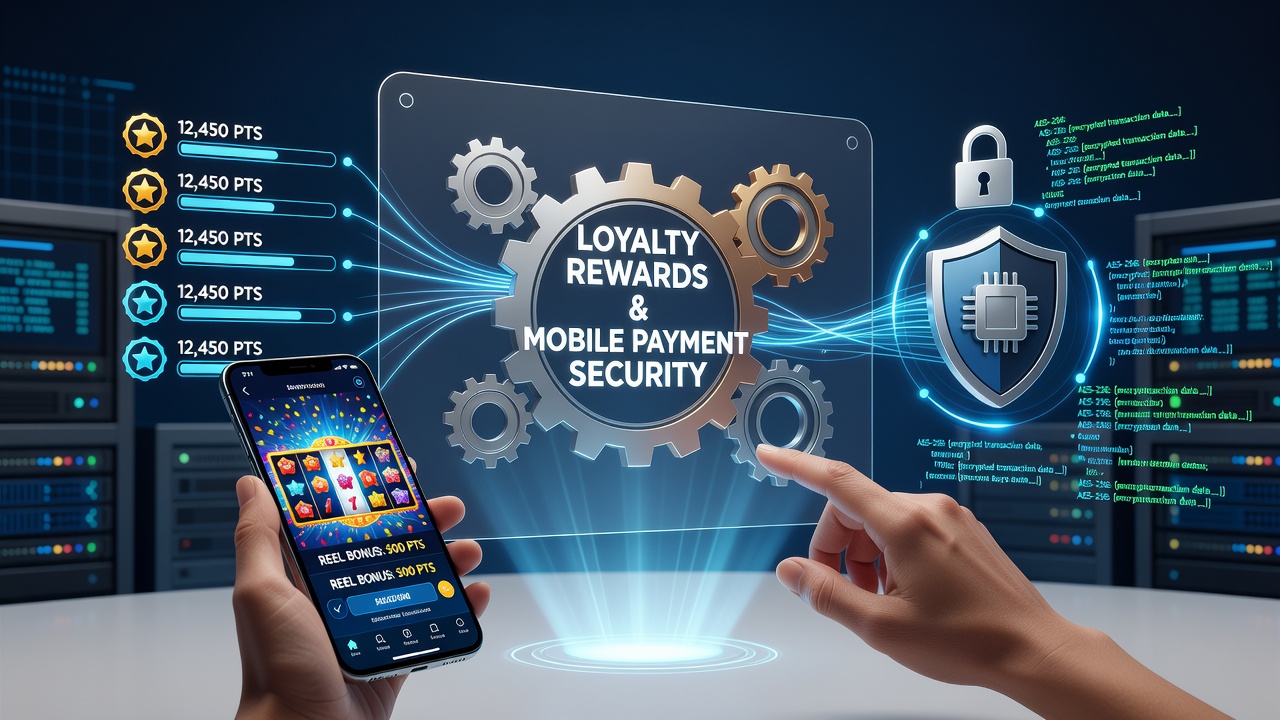 Reel-based entertainment apps have expanded rapidly in recent years as developers combine spinning reel mechanics with layered loyalty programs that track player activity through mobile devices, and payment systems now serve as the central hub where reward accumulation meets transaction processing. Data from industry tracking services shows that these apps processed billions of microtransactions in the first half of 2026, with loyalty tiers unlocking bonus spins, cashback percentages, and exclusive reel features tied directly to deposit frequency and volume. Mobile payment gateways handle the flow of funds while simultaneously logging activity that feeds into reward algorithms, creating a direct link between security protocols and the accuracy of points distribution. Developers implement tokenization and biometric authentication at the point of each transaction, ensuring that loyalty balances update only after verification steps complete successfully. Research from payment security firms indicates that encryption standards such as AES-256 now protect the majority of reel app transactions, reducing unauthorized access attempts by measurable margins across platforms operating in regulated markets.
Integration Patterns Between Rewards and Payments
Loyalty structures in reel apps typically assign points based on wager amounts, yet those points only credit after payment confirmation clears through secure channels. Developers link tier progression to verified deposits, which means users advance through silver, gold, or platinum levels only when transaction records remain intact and tamper-free. Observers note that this design encourages repeated use of the same verified payment method because it streamlines both reward tracking and security checks. Payment networks also embed fraud detection tools that scan for irregular patterns before releasing funds or awarding bonuses. When an app flags a transaction as suspicious, the system withholds both the deposit and any associated loyalty credit until manual review concludes. Figures from North American operators reveal that such automated holds prevented an estimated 3.2 million dollars in disputed rewards during the second quarter of 2026 alone.Security Protocols Supporting Reward Accuracy
Encryption protocols and multi-factor authentication form the backbone of systems that keep loyalty data synchronized with actual payment history. App developers route every deposit through secure sockets layer connections while storing reward ledgers in isolated databases that require separate access credentials. Those who manage reel platforms report that separating payment processing logs from reward engines limits the surface area for potential breaches that could inflate or erase player balances. Biometric login methods, including fingerprint and facial recognition, now appear in over 70 percent of top-grossing reel apps according to app store analytics published in July 2026. These methods reduce reliance on passwords that users often reuse across multiple services, thereby lowering the risk that compromised credentials could unlock both funds and accumulated loyalty points. Studies conducted by academic teams at institutions focused on digital security have documented fewer account takeovers in apps that enforce biometrics at every reward redemption step.