26 Sep 2026
Encryption Standards Supporting Diverse Payment Methods in Mobile Reward Applications
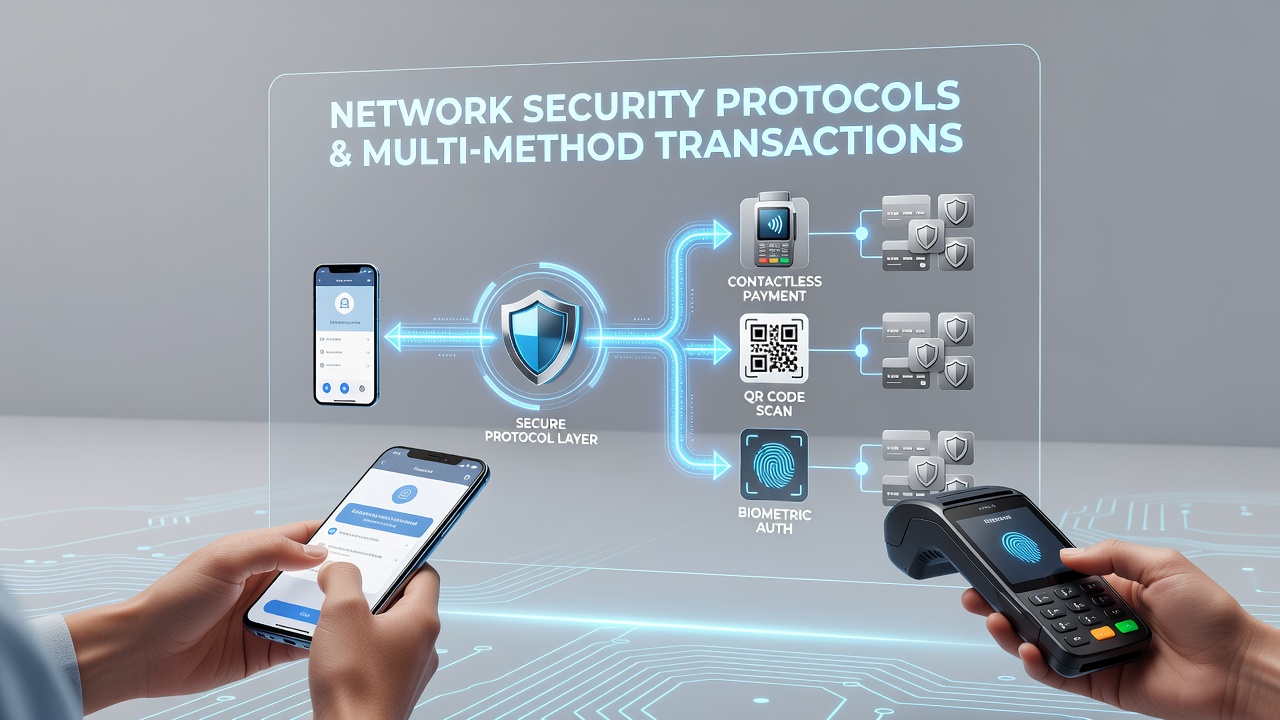
Network security protocols form the backbone for multi-method transactions within handheld loyalty programs, where users redeem points across credit cards, digital wallets, and bank transfers while maintaining data integrity at every step. These systems rely on layered encryption techniques that protect information during transmission and storage, allowing seamless integration of various payment options without exposing sensitive details to interception risks. Observers note that protocols such as Transport Layer Security continue to evolve in response to emerging threats, creating environments where loyalty platforms can process mixed transaction types efficiently.
Core Protocols and Their Functions
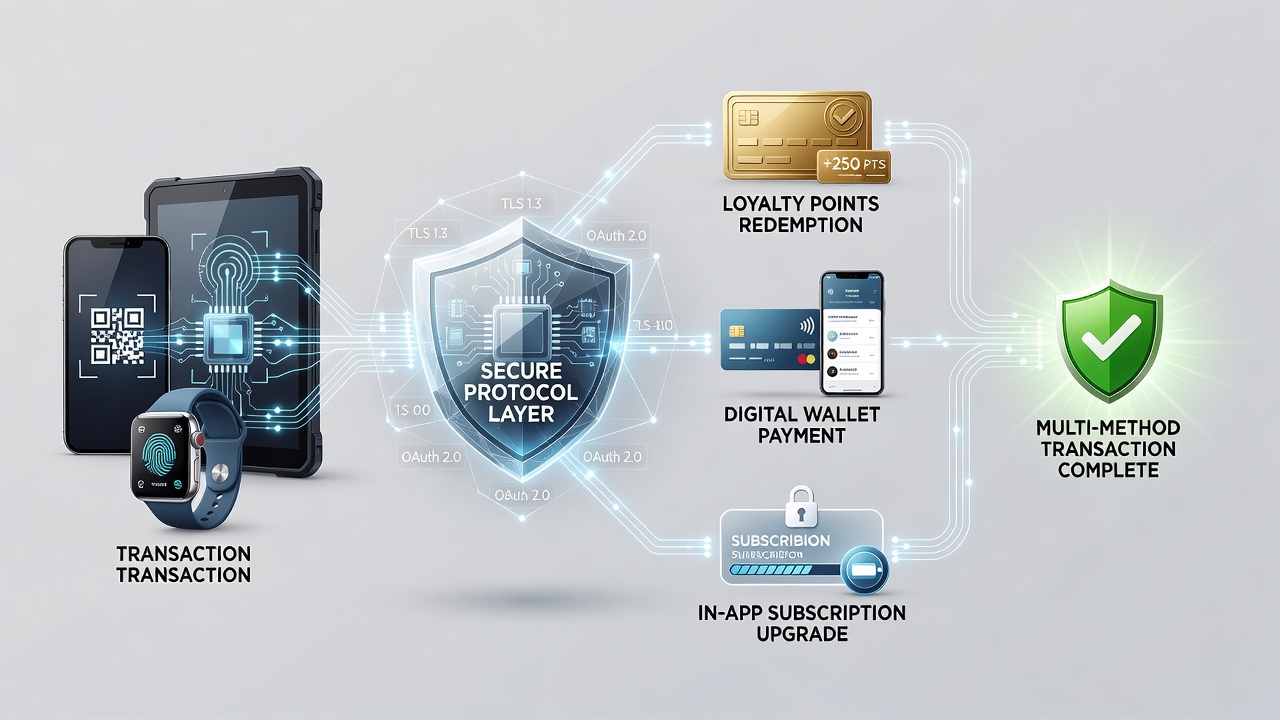
Transport Layer Security versions 1.2 and 1.3 establish encrypted channels that authenticate endpoints before any data exchange occurs, which proves essential when loyalty apps handle simultaneous methods like near-field communication payments alongside traditional card processing. Data shows these protocols incorporate handshake mechanisms that verify server identities, reducing the chance of man-in-the-middle attacks during point redemptions. Researchers discovered that certificate pinning adds another verification layer, ensuring applications connect only to approved servers even on public networks.
Advanced Encryption Standard algorithms operate at 256-bit levels to scramble transaction payloads, while secure hash functions confirm that loyalty balances remain unaltered throughout multiple payment flows. Studies found that combining these elements permits handheld programs to support instant transfers from e-wallets to bank accounts, all within a single session that maintains compliance with regional data protection rules.
Integration Across Payment Channels
Handheld loyalty systems incorporate tokenization to replace actual card numbers with unique identifiers, which facilitates multi-method operations because each token ties to specific transaction rules without revealing underlying account details. Evidence suggests this approach works particularly well when users switch between methods mid-process, such as starting with a digital wallet and completing via direct debit. Industry reports from September 2026 highlight increased adoption rates in mobile platforms where tokenized systems reduced fraud incidents by measurable margins across North American and European markets.
Multi-factor authentication layers integrate directly with these protocols, requiring biometric confirmation or one-time codes before authorizing varied payment routes in loyalty redemptions. Those who've examined deployment cases note that this combination prevents unauthorized access even when programs allow rapid method changes, supporting higher volumes of mixed transactions without performance degradation.
Regulatory Alignment and Data Handling
Compliance frameworks from bodies like the Australian Communications and Media Authority guide how loyalty programs implement protocol standards to safeguard user data across payment varieties. Figures reveal that programs aligned with such guidelines process multi-method transactions with fewer interruptions, since encryption requirements match international benchmarks for financial data protection. Observers note that updates released in mid-2026 emphasized real-time monitoring capabilities within these protocols, enabling platforms to flag anomalies during wallet or card-based redemptions.
Academic analyses from research institutions in Canada further indicate that protocol interoperability allows loyalty apps to expand payment options without rebuilding core security infrastructure each time regulations shift. This adaptability proves valuable when integrating emerging methods like cryptocurrency gateways alongside established bank transfers, all while preserving end-to-end encryption.
Performance in Real-World Deployments
Case examples demonstrate that loyalty programs using robust network protocols maintain transaction speeds below two seconds even during peak periods of multi-method activity. Data from trade organizations shows reduced error rates when protocols manage session continuity across different payment rails, preventing balance discrepancies that could arise from interrupted exchanges. Experts have observed that regular protocol audits contribute to sustained reliability, particularly as handheld devices connect through diverse network types including 5G and Wi-Fi.
What's interesting is how these security measures scale with user growth, supporting loyalty ecosystems that handle thousands of concurrent redemptions without compromising on encryption strength or method flexibility. Reports from industry groups confirm that such scalability stems directly from protocol designs optimized for high-throughput environments.
Conclusion
Network security protocols continue to underpin the functionality of multi-method transactions in handheld loyalty programs by providing encryption, authentication, and tokenization that adapt to various payment channels. Ongoing developments ensure these systems meet both operational demands and regulatory expectations across regions, allowing programs to expand capabilities while protecting transaction integrity. Data from multiple sources underscores the measurable benefits in fraud reduction and processing efficiency observed through September 2026.