24 Oct 2026
Encryption Frameworks Enabling Cohesive Reward Systems in Cross-Platform Digital Entertainment
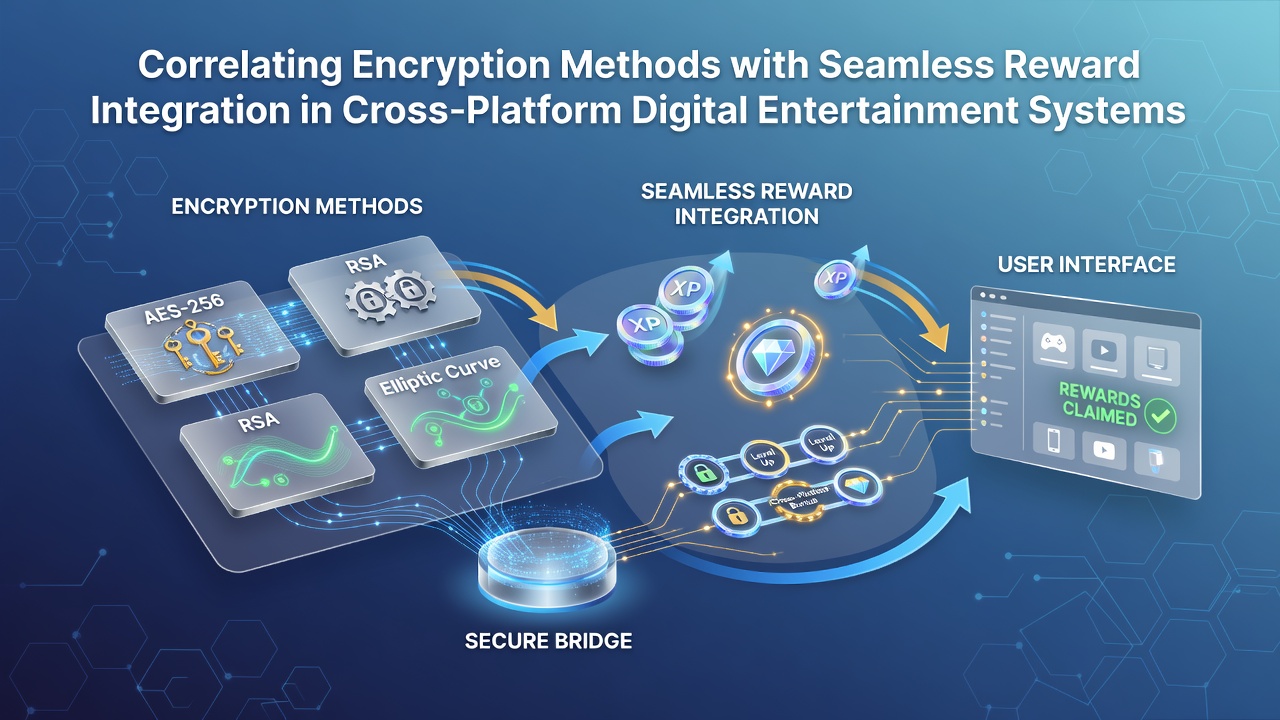
Encryption methods form the backbone of secure data transmission in cross-platform digital entertainment systems where reward integration occurs across mobile applications, web browsers, and console networks; these protocols safeguard user profiles, transaction histories, and loyalty points while allowing instant synchronization between devices without exposing sensitive information to interception risks.
Core Encryption Standards in Gaming Ecosystems
Advanced Encryption Standard protocols, particularly AES-256, handle the bulk of data protection tasks in multi-device environments according to guidelines from the National Institute of Standards and Technology, while Transport Layer Security versions 1.3 manage secure handshakes during reward redemptions that span operating systems from iOS to Android and Windows; researchers note that these layered approaches reduce vulnerability windows during cross-platform transfers because they combine symmetric and asymmetric cryptography to verify both identity and content integrity before any points or bonuses activate.
Public key infrastructure further supports seamless reward flows by issuing digital certificates that authenticate servers hosting loyalty databases, and this setup proves essential when players switch between devices mid-session since the system can resume progress without re-authenticating the entire transaction history.
Integration Challenges Across Platforms
Cross-platform compatibility demands that encryption routines align with each device's native security modules, such as Secure Enclave on Apple hardware or Trusted Execution Environments on Android, yet differences in implementation create occasional friction points where reward data must undergo additional hashing or re-encryption steps to maintain consistency; industry reports from October 2026 highlight that systems using unified API gateways secured by consistent TLS configurations achieve higher success rates in delivering instant bonuses compared to fragmented setups that rely on device-specific patches.
Those who manage large-scale entertainment platforms observe that legacy encryption from earlier generations often fails to scale when reward structures incorporate real-time elements like live event multipliers or community challenges that pull data from multiple sources simultaneously.
Seamless Reward Mechanisms and Data Security
Reward integration relies on encrypted tokens that carry encrypted metadata about player status, eligibility criteria, and redemption values, allowing platforms to validate claims instantly across networks without full database queries each time; this token-based model, combined with end-to-end encryption, prevents tampering during transmission and supports features such as shared progress in multiplayer titles or portable leaderboards that update regardless of the access point.
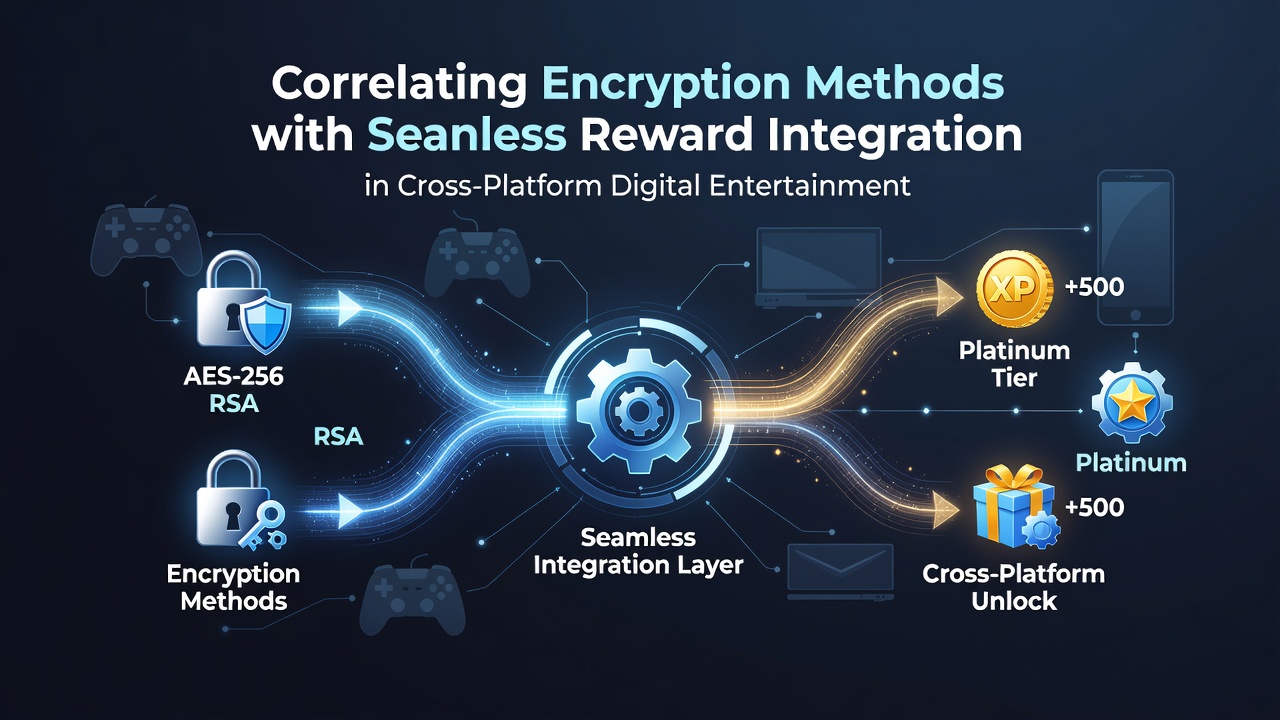
Studies from academic institutions tracking digital entertainment trends indicate that platforms employing quantum-resistant algorithms alongside current standards experience fewer disruptions when integrating new reward types, particularly as player bases expand across emerging markets where network conditions vary widely and demand robust error-correction within encrypted channels.
Regulatory and Industry Influences
Government bodies in regions including the European Union and Australia enforce data protection requirements that directly shape how encryption correlates with reward systems, mandating audit trails for every transaction involving player funds or loyalty assets; these rules encourage adoption of verifiable encryption methods that also facilitate compliance reporting without compromising the speed of reward delivery.
Trade associations such as the European Gaming and Betting Association compile statistics showing increased adoption of standardized encryption suites in 2026, correlating with smoother cross-border reward redemptions as operators align their security layers to common benchmarks rather than maintaining separate protocols per jurisdiction.
Future Directions in Secure Reward Integration
Developments in homomorphic encryption allow certain computations on reward data while it remains encrypted, opening pathways for platforms to calculate bonuses or eligibility without decrypting underlying player information at any intermediate step; this capability addresses privacy concerns that arise when multiple entertainment services share loyalty ecosystems across platforms.
Observers tracking October 2026 updates note that pilot programs testing these advanced methods report stable performance metrics even under high concurrent usage, suggesting broader rollout could standardize secure reward handling in the coming years.
Conclusion
Encryption methods continue to underpin reliable reward integration across digital entertainment platforms by providing the necessary security guarantees that enable fluid data movement between devices and services, and ongoing refinements in protocol design alongside regulatory alignment point toward increasingly robust systems that maintain both protection and accessibility for users worldwide.