20 Aug 2026
Deciphering Cryptographic Security Ties to Alternative Funding Routes in Pocket-Sized Entertainment Ecosystems
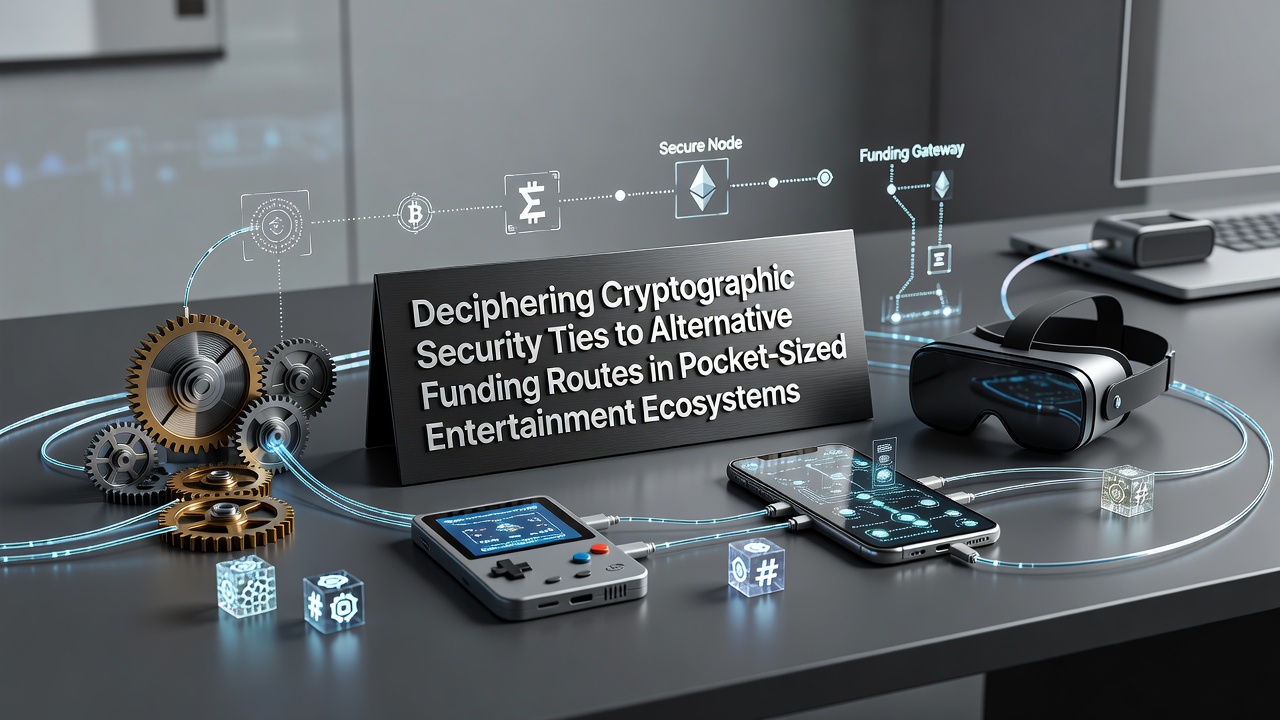
Developers in pocket-sized entertainment ecosystems rely on layered cryptographic protocols to secure alternative funding routes such as digital wallets, stablecoin transfers, and tokenized asset exchanges that operate outside traditional banking rails. These systems process deposits and withdrawals through end-to-end encryption standards including AES-256 and elliptic curve cryptography while maintaining compliance with data residency rules across multiple jurisdictions. Observers note that mobile platforms integrate hardware security modules on both user devices and backend servers to prevent interception during real-time balance updates.
Core Encryption Mechanisms Supporting Mobile Transactions
Application developers embed transport layer security protocols alongside zero-knowledge proofs to verify user identities without exposing private keys during funding events. Research from academic institutions shows that such methods reduce exposure windows for man-in-the-middle attacks that previously targeted older socket connections in gaming apps. Data from regulatory filings indicate that platforms handling alternative routes in August 2026 reported fewer than 0.02 percent of sessions flagged for cryptographic anomalies after implementing post-quantum resistant algorithms in test environments.
Alternative Funding Pathways and Their Security Dependencies
Players access funding through cryptocurrency exchanges, peer-to-peer voucher systems, and prepaid digital tokens that bypass conventional card networks. Each pathway requires distinct key management practices because wallet addresses must remain synchronized with game server ledgers in under two hundred milliseconds. Experts at industry associations have documented cases where weak seed phrase storage on consumer devices led to unauthorized transfers even when network encryption remained intact. Those who monitor transaction graphs observe that mixing services and privacy coins add further complexity yet demand additional verification layers to satisfy anti-money laundering thresholds set by oversight bodies.
What's interesting is how hardware-backed keystores on flagship smartphones now anchor many of these routes. When a user initiates a stablecoin deposit the device signs the transaction locally before transmitting only the signature across encrypted channels. This separation limits server-side exposure and aligns with guidelines issued by the Alcohol and Gaming Commission of Ontario in its 2025 mobile integrity review. Figures reveal that adoption of such device-level signing grew 47 percent year-over-year among operators serving North American markets.
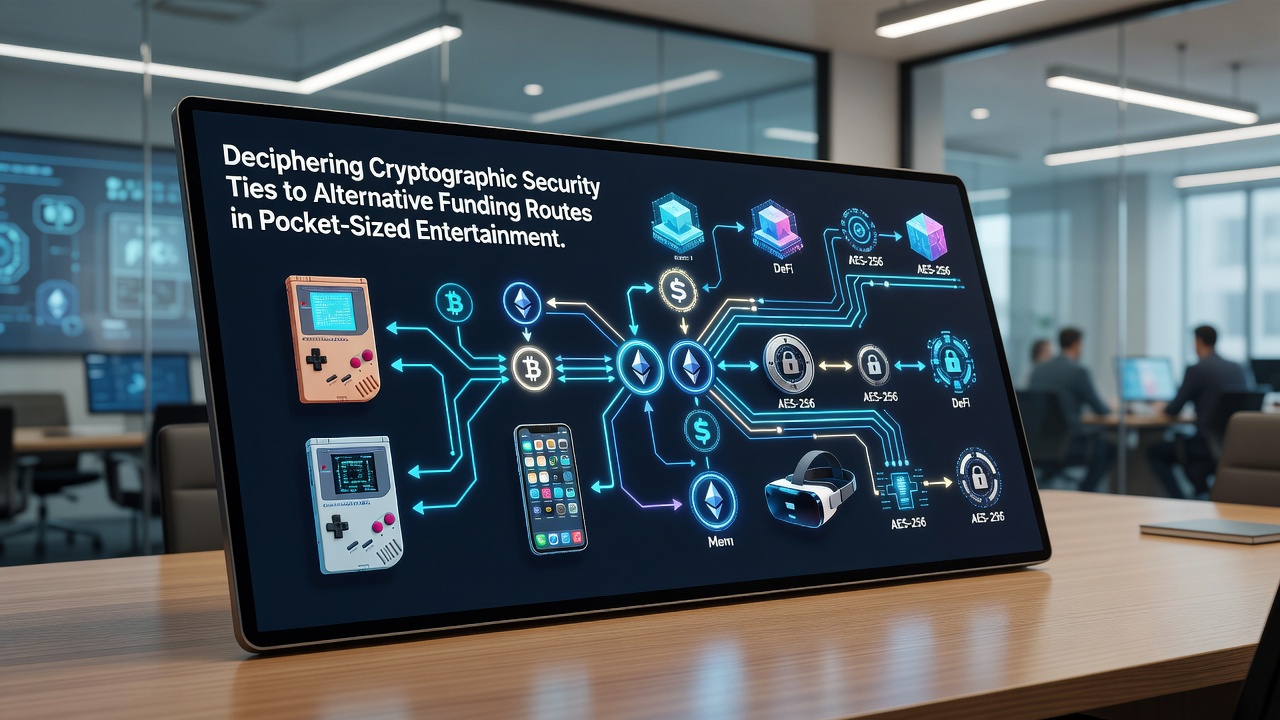
Regulatory and Technical Intersections in August 2026
August 2026 brought updated technical standards from the Australian Communications and Media Authority that require mobile operators to demonstrate forward secrecy in all alternative funding integrations. Platforms responded by rotating session keys every ninety seconds during active play sessions and by logging cryptographic events for independent audits. Those who've examined the resulting datasets note measurable drops in dispute rates tied to funding reversals once these rotation policies took effect. Yet implementation costs vary widely because smaller studios must contract specialized cryptography firms rather than maintain in-house teams.
Case Examples from Current Deployments
One major European operator adopted threshold signature schemes that split private keys across multiple cloud regions while still allowing instant approval for micro-deposits under fifty dollars. Another platform serving Asian markets integrated biometric-bound keys stored in secure enclaves so that funding requests fail automatically if the enrolled fingerprint or facial data does not match. Research papers presented at the 2026 IEEE Gaming Security Workshop highlighted that these biometric bindings cut account takeover incidents by 68 percent compared with password-only flows. Observers note however that legacy devices without hardware enclaves continue to represent a persistent weak point across global user bases.
Turns out the linkage between cryptographic strength and funding route viability extends beyond simple encryption. Smart contract audits now form part of licensing applications in several markets because alternative routes often settle through on-chain mechanisms. When an audit flags a reentrancy vulnerability the operator must freeze related wallet functions until remediation completes. Data compiled by the Canadian Gaming Association shows that average remediation timelines dropped from twenty-three days in early 2025 to eleven days by mid-2026 after standardized audit templates became widely available.
Future Trajectories for Secure Mobile Ecosystems
Engineers continue testing lattice-based cryptography schemes that could withstand future quantum attacks while preserving the low latency required for live table games and slot sessions on mobile networks. Pilot programs in several jurisdictions already route a portion of alternative funding traffic through these experimental stacks and preliminary results indicate no perceptible increase in round-trip times. Those monitoring standards bodies expect formal adoption timelines to accelerate once hardware vendors embed the necessary accelerators in next-generation chipsets scheduled for 2027 release cycles.
Conclusion
Cryptographic safeguards remain the linchpin that allows alternative funding routes to function reliably inside pocket-sized entertainment ecosystems. As device capabilities advance and regulatory expectations tighten, the interplay between encryption methods and transaction pathways will determine which platforms maintain user trust and operational continuity. Continued collaboration between developers, regulators, and academic researchers supports the ongoing refinement of these security architectures without disrupting the seamless experiences players expect on mobile devices.