13 Aug 2026
Algorithmic Integrity in Mobile Games Meets Tiered Reward Architectures
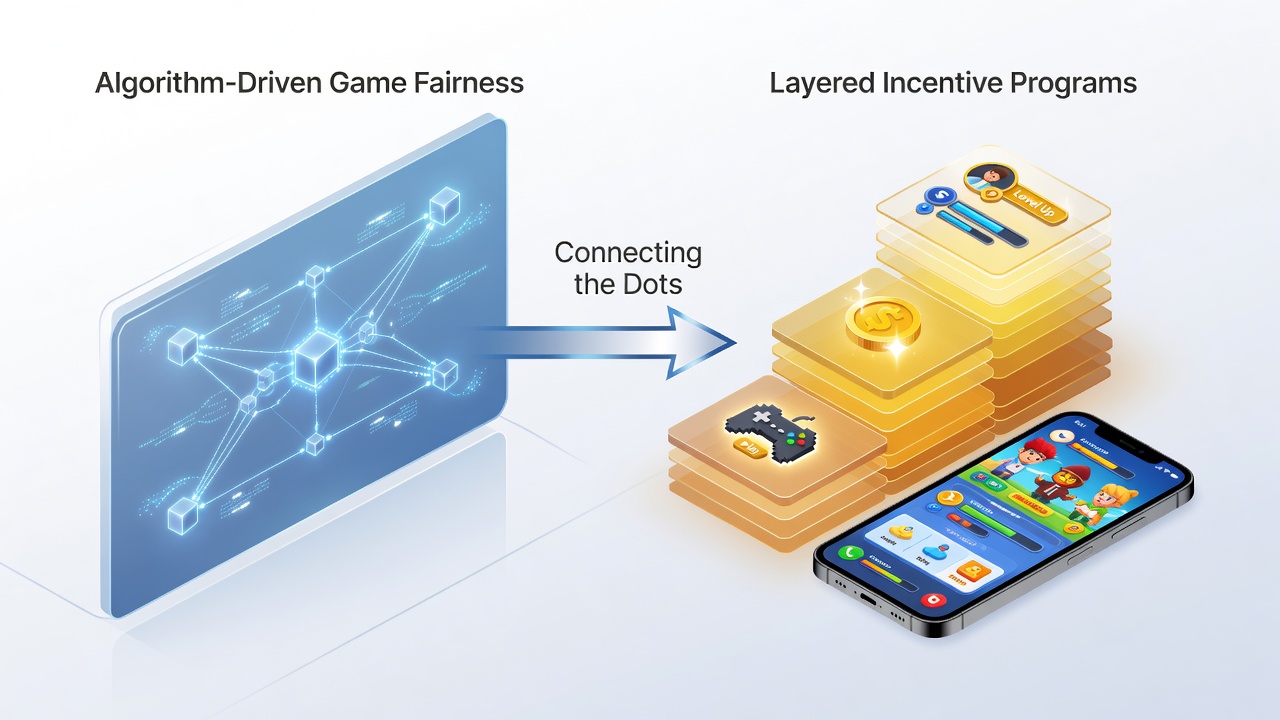
Portable entertainment applications rely on algorithmic systems to maintain consistent game outcomes while simultaneously deploying layered incentive structures that encourage continued engagement, and observers note these two elements often intersect in ways that shape overall player retention patterns across global markets.
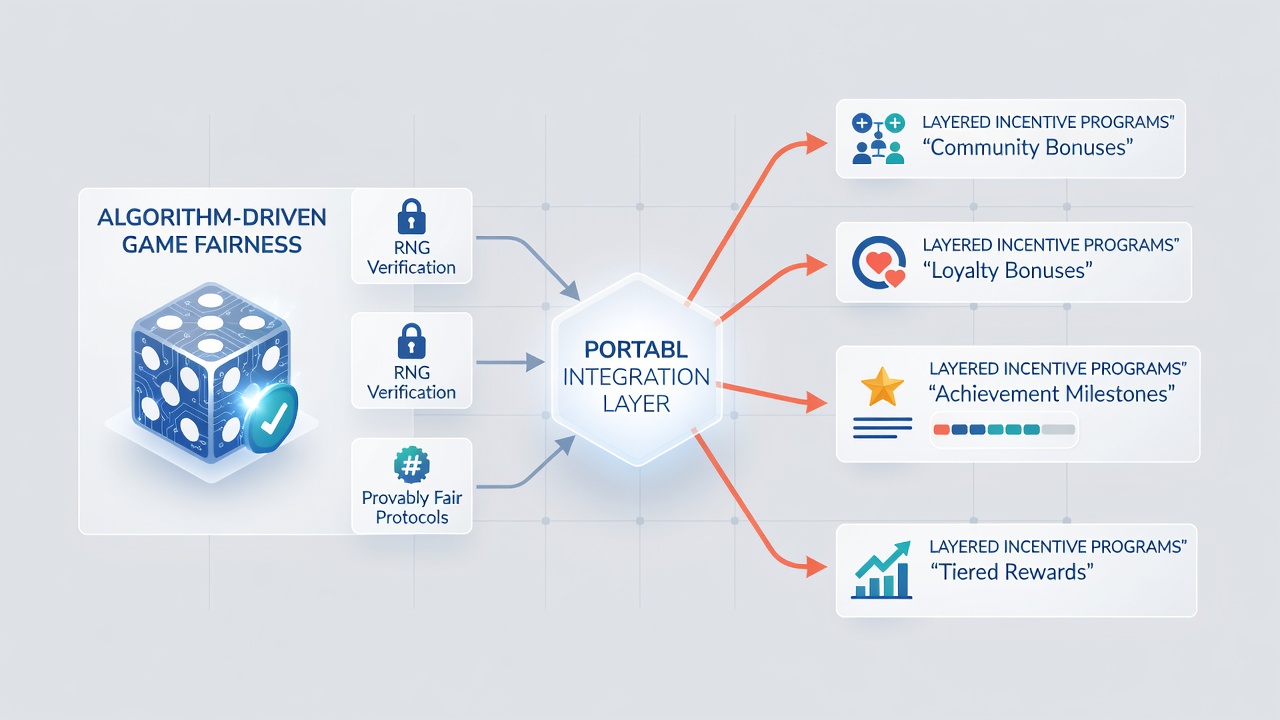
Random number generator protocols form the backbone of outcome fairness in many mobile titles, particularly those featuring card mechanics, reel simulations, and chance-based events, while certification processes from independent testing labs verify that these sequences meet statistical randomness standards before deployment.
Core Components of Algorithmic Fairness
Developers implement pseudorandom number generators seeded with external entropy sources, and regulatory frameworks in regions such as the United States and Australia require periodic audits that confirm distribution uniformity across millions of simulated cycles, according to documentation from the Nevada Gaming Control Board. These protocols prevent predictable patterns, and data from industry compliance reports show that certified systems reduce variance anomalies to levels below one in several billion operations.
Layered incentive programs operate alongside these systems through progression mechanics including daily login bonuses, achievement milestones, and tiered loyalty ladders that unlock escalating benefits, and researchers at institutions like the University of Melbourne have documented how such structures maintain session frequency without altering core probability calculations.
Integration Points Between Fairness and Incentives
Portable platforms connect fairness algorithms directly to reward distribution logic so that bonus triggers remain governed by the same certified RNG streams used for standard play, which prevents any external adjustment of odds during promotional events. This linkage ensures that players advancing through incentive tiers encounter the same mathematical foundation at every level, and evidence from technical audits released in August 2026 indicates that leading applications maintain separate logging for reward events to allow post-hoc verification of compliance.
Transaction networks embedded in these applications further tie progression rewards to verified payment channels, and reports compiled by the Canadian Gaming Association highlight how encrypted ledgers record both gameplay results and incentive redemptions in unified streams that support regulatory review. Observers note that this architecture reduces opportunities for manipulation because any attempt to skew fairness parameters would surface during routine reconciliation processes conducted by third-party examiners.
Regional Regulatory Approaches and Data Trends
European jurisdictions have introduced guidelines that require mobile operators to disclose how incentive structures interact with underlying game mathematics, and summaries published by the Malta Gaming Authority detail mandatory reporting intervals that track player behavior metrics before and after tier upgrades. In contrast, Asian markets emphasize self-regulatory codes that encourage transparent communication about fairness certifications while permitting flexible reward layering, and aggregate figures released through regional trade associations reveal steady growth in certified titles throughout 2026.
Studies examining player cohorts across multiple platforms demonstrate that transparent fairness disclosures correlate with higher continuation rates among users enrolled in multi-tier programs, yet these correlations emerge from observational datasets rather than controlled experiments. Industry organizations such as the Interactive Games & Entertainment Association track these patterns through anonymized telemetry that feeds into broader compliance frameworks without exposing individual account details.
Technical Implementation Examples
One development team integrated a publicly verifiable seed system into their mobile reel application, allowing users to confirm post-session outcome hashes against published fairness certificates while still participating in daily reward cycles that scale with accumulated playtime, and similar approaches appear in several top-downloaded titles according to app store analytics from mid-2026. Another case involved a card-based platform that synchronized its loyalty point accrual engine with the primary RNG module so that bonus card draws maintained identical distribution properties to paid entries.
Security protocols surrounding these integrations include end-to-end encryption for both gameplay logs and incentive ledgers, and academic papers from technical conferences have outlined how zero-knowledge proofs could further strengthen verification without compromising proprietary algorithm details. Data aggregated across platforms indicates that applications employing such combined systems report fewer disputes related to outcome integrity compared with earlier single-layer designs.
Conclusion
Connections between algorithmic fairness mechanisms and layered incentive programs in portable entertainment applications continue to evolve through regulatory updates, technical refinements, and cross-platform data sharing, and stakeholders monitor these developments through established audit channels and industry reporting structures that prioritize verifiable outcomes over promotional narratives.